- CASUAL CHIC STYLE -
Autumn / Winter
The "casual chic" style was born from a very human compromise: wanting to be elegant without looking like you've spent three hours in front of the mirror suffering in uncomfortable clothes. It gradually emerged during the 20th century, especially after the 1950s, when the boundaries between formal wear and everyday clothing began to blur: a blazer worn with jeans, a thin sweater over a shirt, loafers without a full suit…
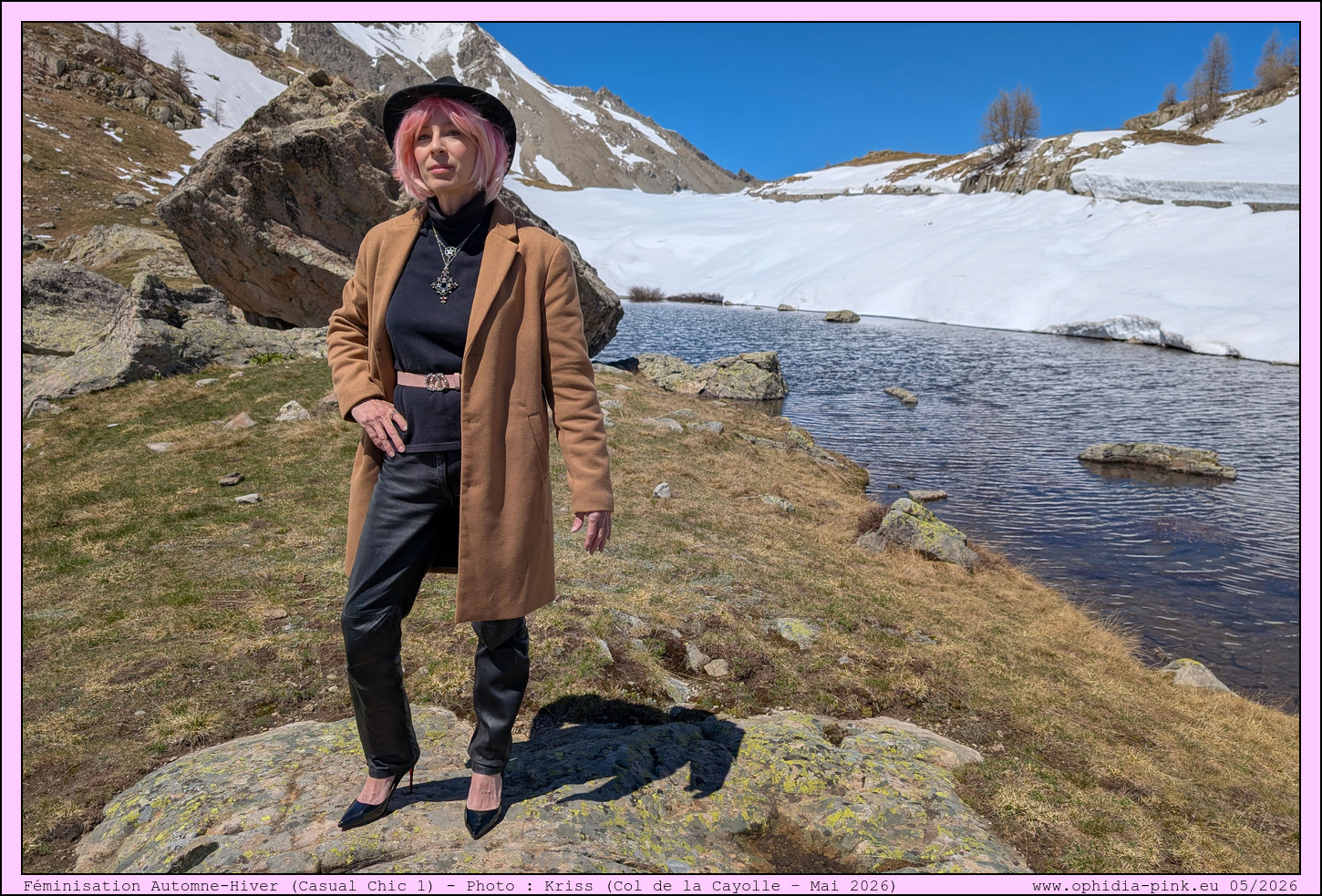
Casual chic relies on understated, well-cut, and easy-to-match pieces. For women, this often includes a structured blazer, a flowing shirt, raw or straight-leg jeans, cigarette pants, fine knits, a simple and elegant dress, or minimalist sneakers paired with dressier outfits. For men, chinos, quality polo shirts, sports jackets, Oxford shirts, fine wool sweaters, and soft leather shoes are classics. The key is not ostentatious luxury but overall coherence: comfortable, clean, well-fitting clothes made from quality materials.

Casual chic colors generally favor neutral and timeless tones. White, beige, camel, gray, navy blue, black, and khaki are by far the most prevalent, as they allow for simple and elegant combinations. Bright colors do exist, but are usually used sparingly: a scarf, a bag, a pair of shoes, or an accessory. Fabrics also play a crucial role: thick cotton, wool, cashmere, linen, raw denim, or supple leather add texture without being eccentric.

This style is also distinguished by its rejection of the overly rigid "head-to-toe" look. It mixes influences: an elegant jacket with sneakers, jeans with refined jewelry, a casual sweater worn over a crisp shirt. Casual chic gives an impression of natural ease, even if, in reality, achieving this effect often requires more skill than a strictly formal outfit. The art lies in appearing spontaneous without seeming sloppy.

Today, casual chic has become one of the dominant styles in major Western cities. It easily adapts to modern life: hybrid work, informal outings, travel, or semi-professional events. Its success stems from its versatility and understated elegance.

Casual chic is sometimes confused with smart casual, although the latter is much closer to a carefully curated dress code associated with the professional world. Smart casual developed in the 1980s and 1990s, particularly with the rise of "casual Friday" in the workplace. Because, of course, an entire concept had to be invented to explain that wearing a jacket without a tie wasn't going to bring about the collapse of civilization!
