- WHITE STYLE -
Spring / Summer
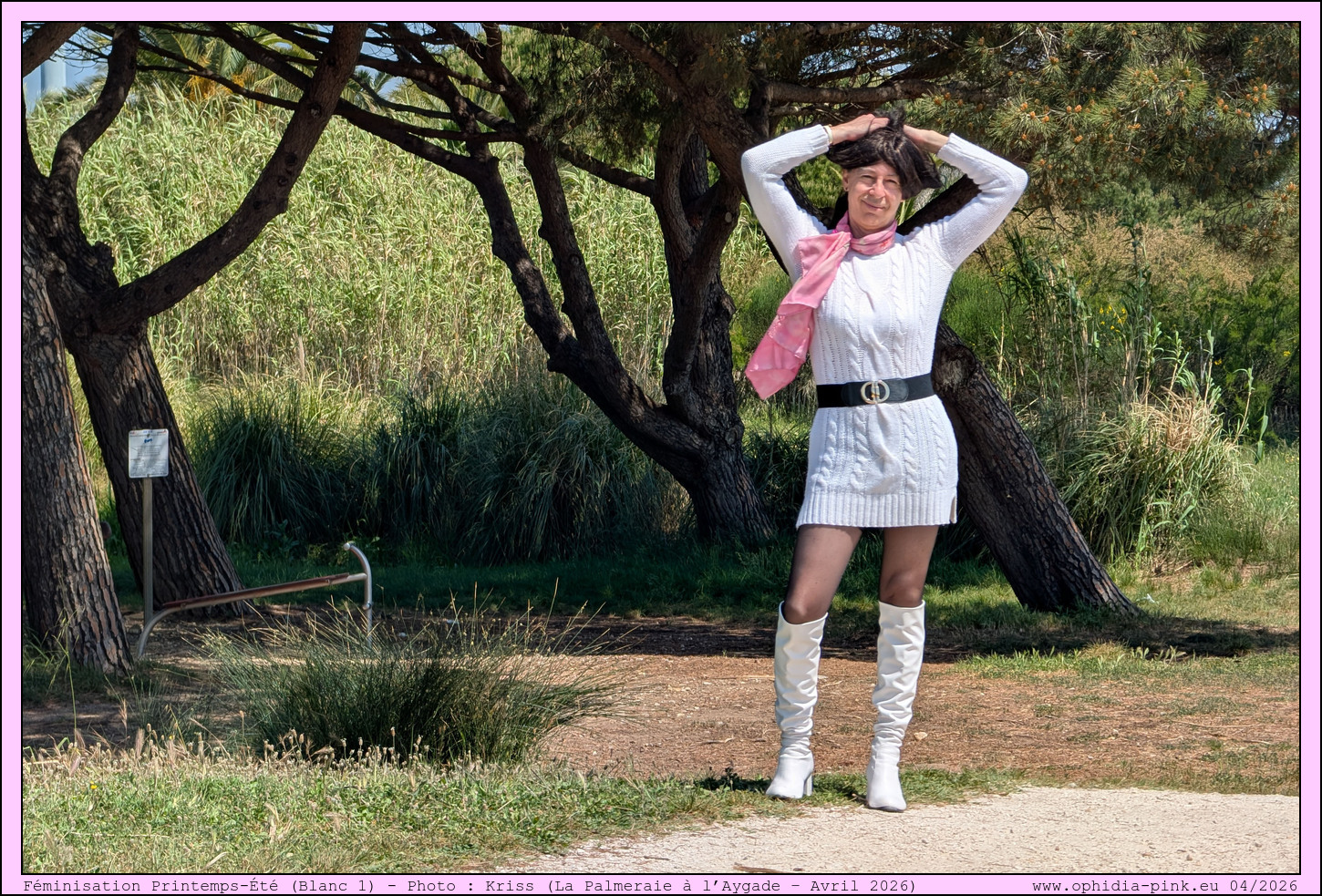
White is a paradoxical color. On the one hand, it evokes purity, innocence, and peace. In many Western cultures, it is associated with sacred moments such as marriage, birth, and beginnings. Psychologically, white gives an impression of space, clarity, and neutrality. It calms, it simplifies, it "erases the noise." It is the color of blank pages, hospital walls, and laboratories. It is reassuring because it suggests order and control.
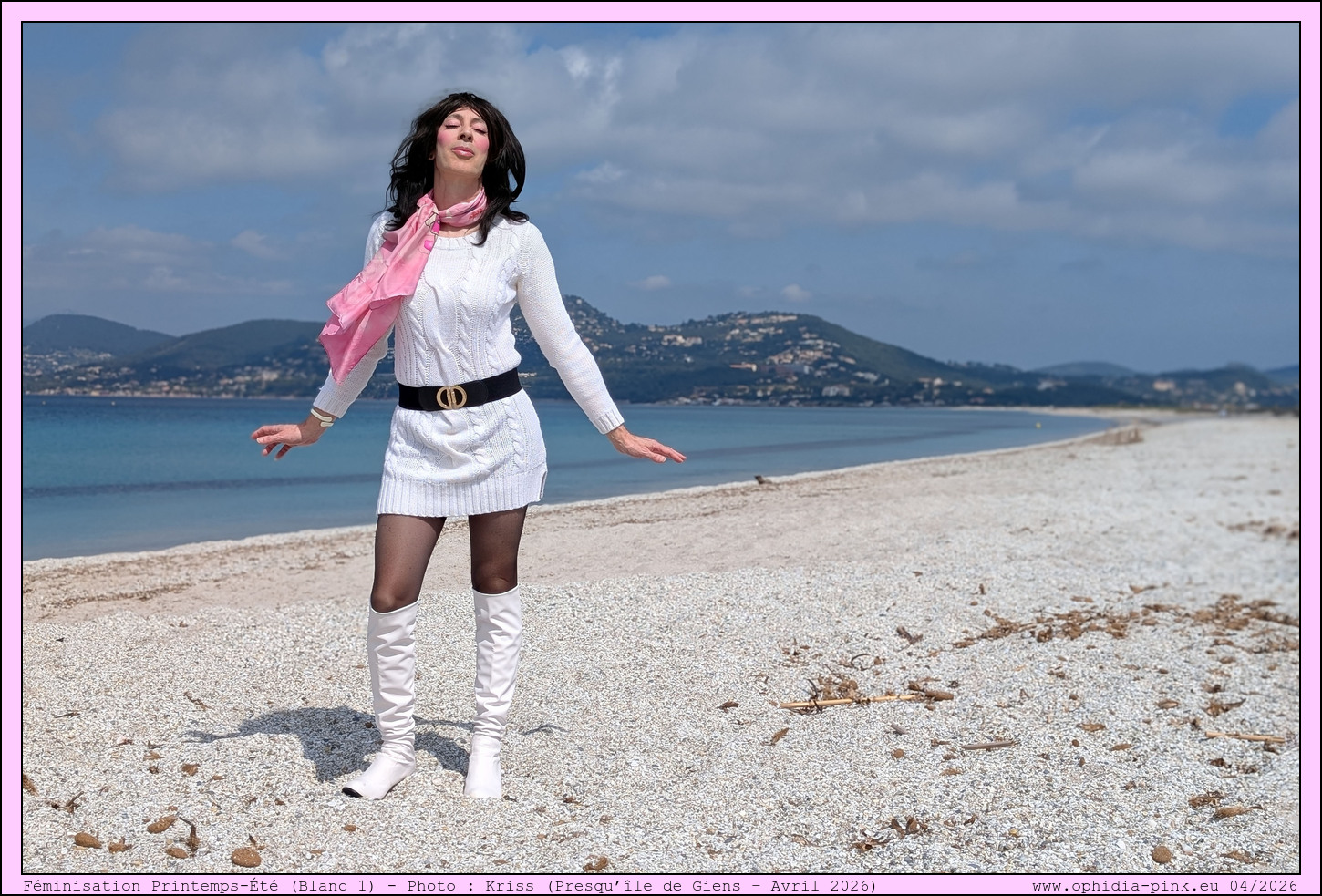
But this reassuring aspect has its downside. Too much white can become cold, empty, almost clinical. It can evoke absence, silence, or even death in some Asian cultures, where it is worn during mourning. So yes, the color meant to represent life can also symbolize the end. What a lovely atmosphere. In short, white acts as a mental amplifier: it clarifies, but can also isolate.
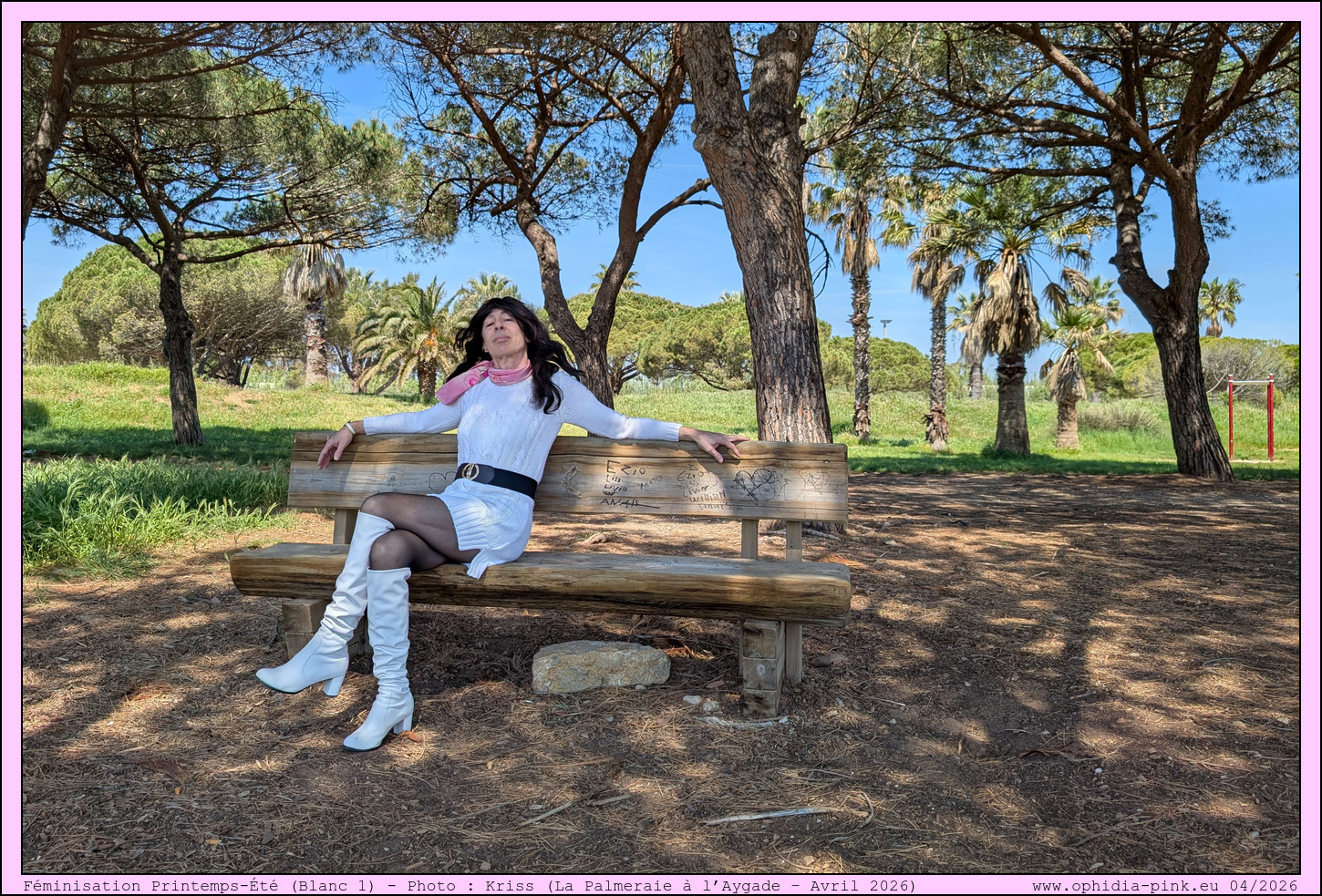
Contrary to popular belief, white wasn't always a given in the world of fashion. Before modern washing machines, keeping a white garment clean was practically a miracle. As a result, wearing white was a sign of wealth. If you could afford to get a difficult-to-clean garment dirty, you clearly didn't have a manual labor job. In the 18th and 19th centuries, European elites adopted white as a status symbol. Hence its enduring association with elegance and refinement. When Queen Victoria married in a white dress in 1840, she didn't just start a trend; she established a code. Before that, brides often wore their finest dress, regardless of color. After her, white became the standard for Western weddings.
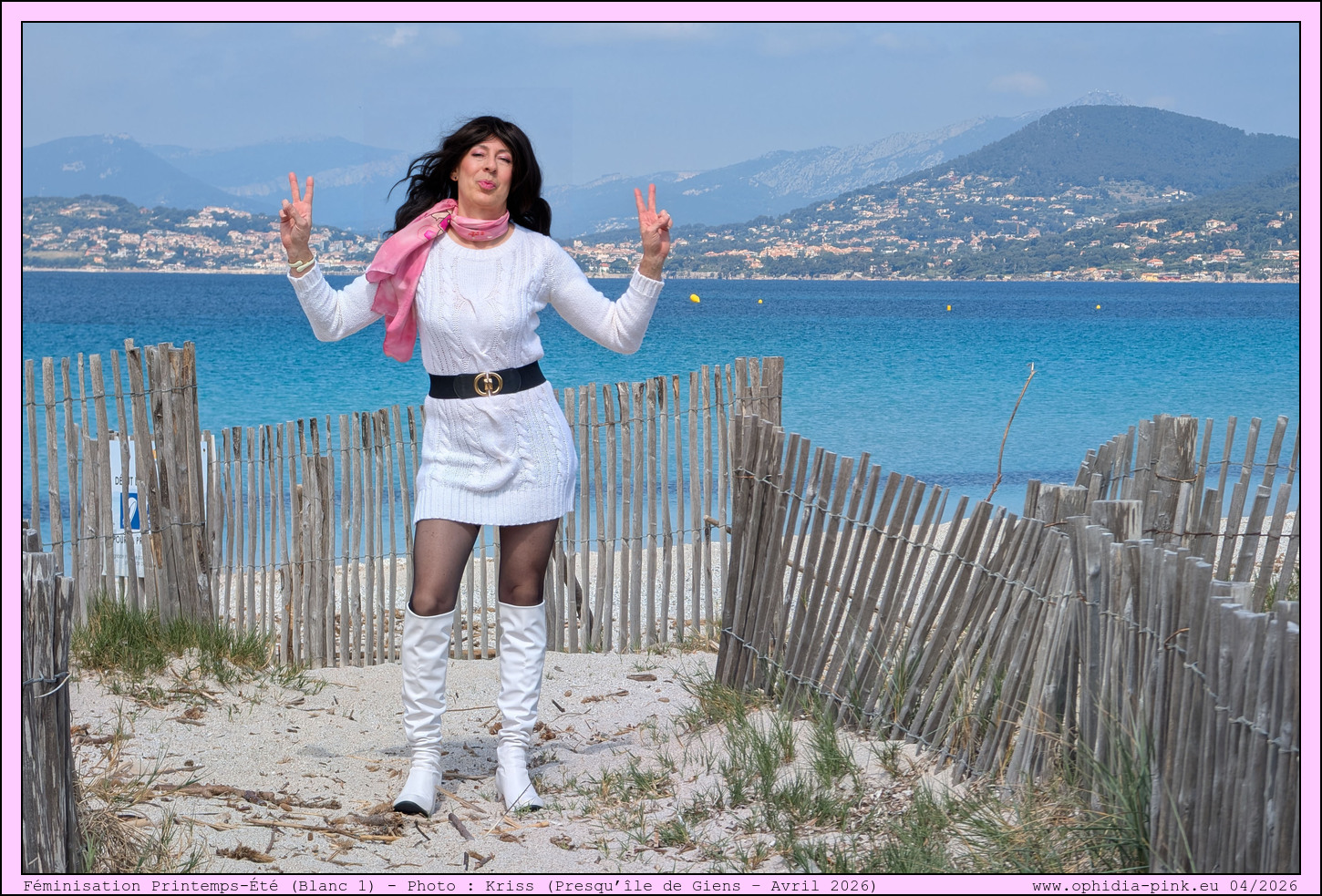
In the 20th century, white left the confines of aristocratic salons to become a symbol of modernity. In the 1920s, it was linked to sports and women's emancipation (tennis, the beach, etc.). It became practical, lightweight, and dynamic. Later, with the modernist movement and designers like Coco Chanel, white established itself in a minimalist aesthetic. Less embellishment, more clean lines.
In contemporary fashion, white is everywhere, but never neutral. It can be minimalist (clean silhouettes, flowing fabrics, monochromatic looks) while still maintaining visual power (an all-white outfit immediately draws attention). Designers use it to play with light, textures, and volumes. It's no longer just a color; it's a playground for experimentation.
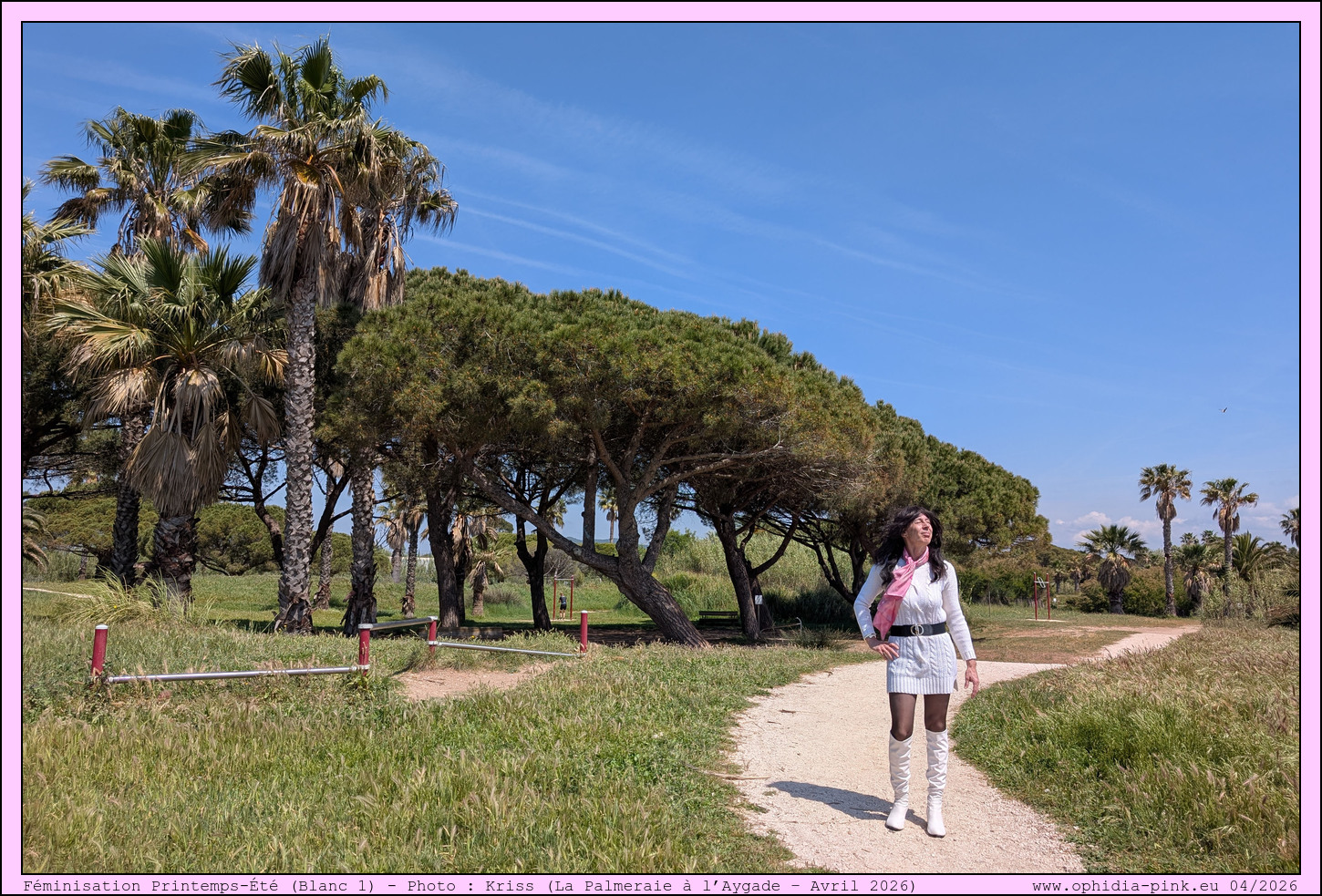
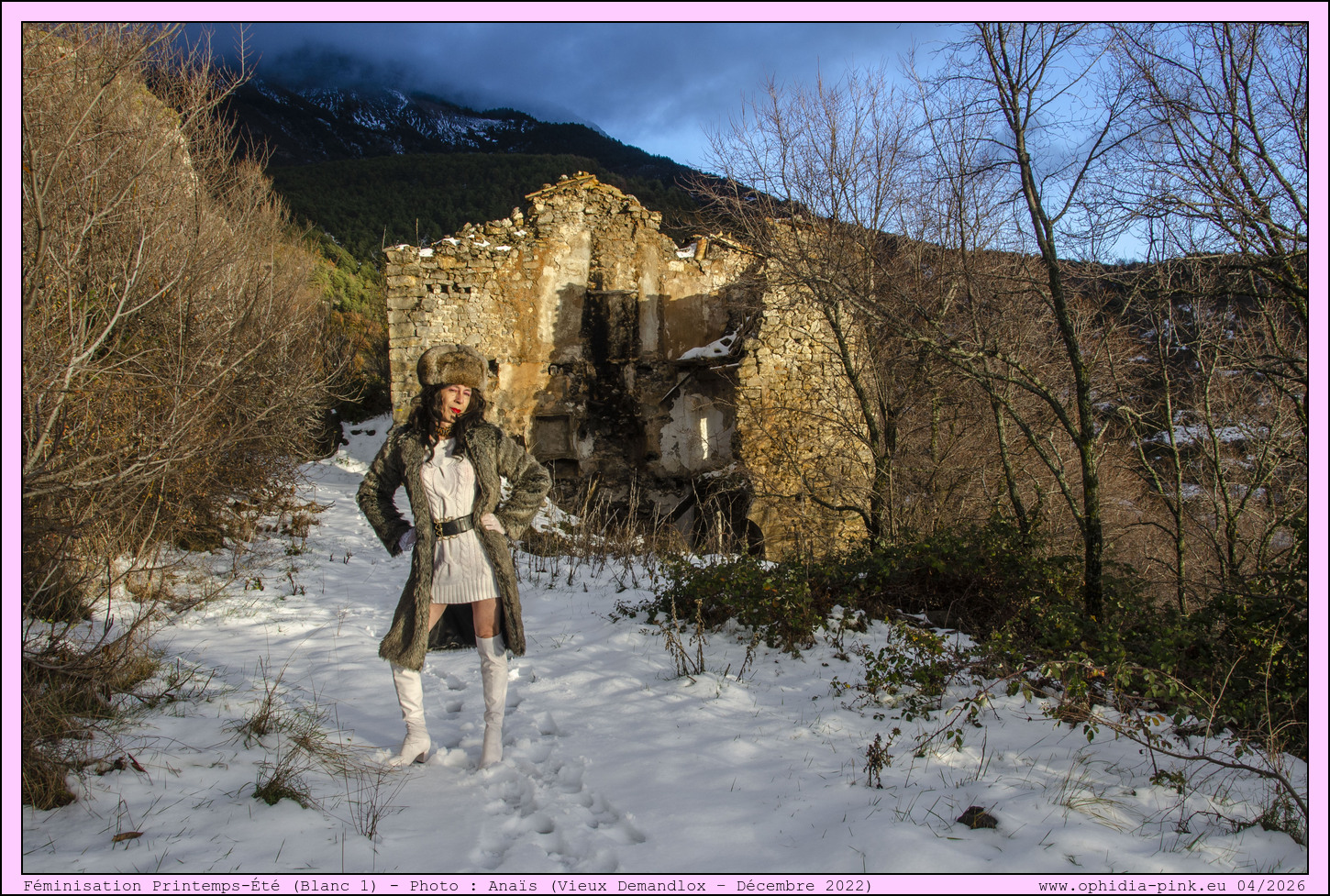
Note that this outfit can perfectly be worn in the cold season as well, provided you pair it with the right coat and headwear!