- ROCK GOTH -
Spring / Summer
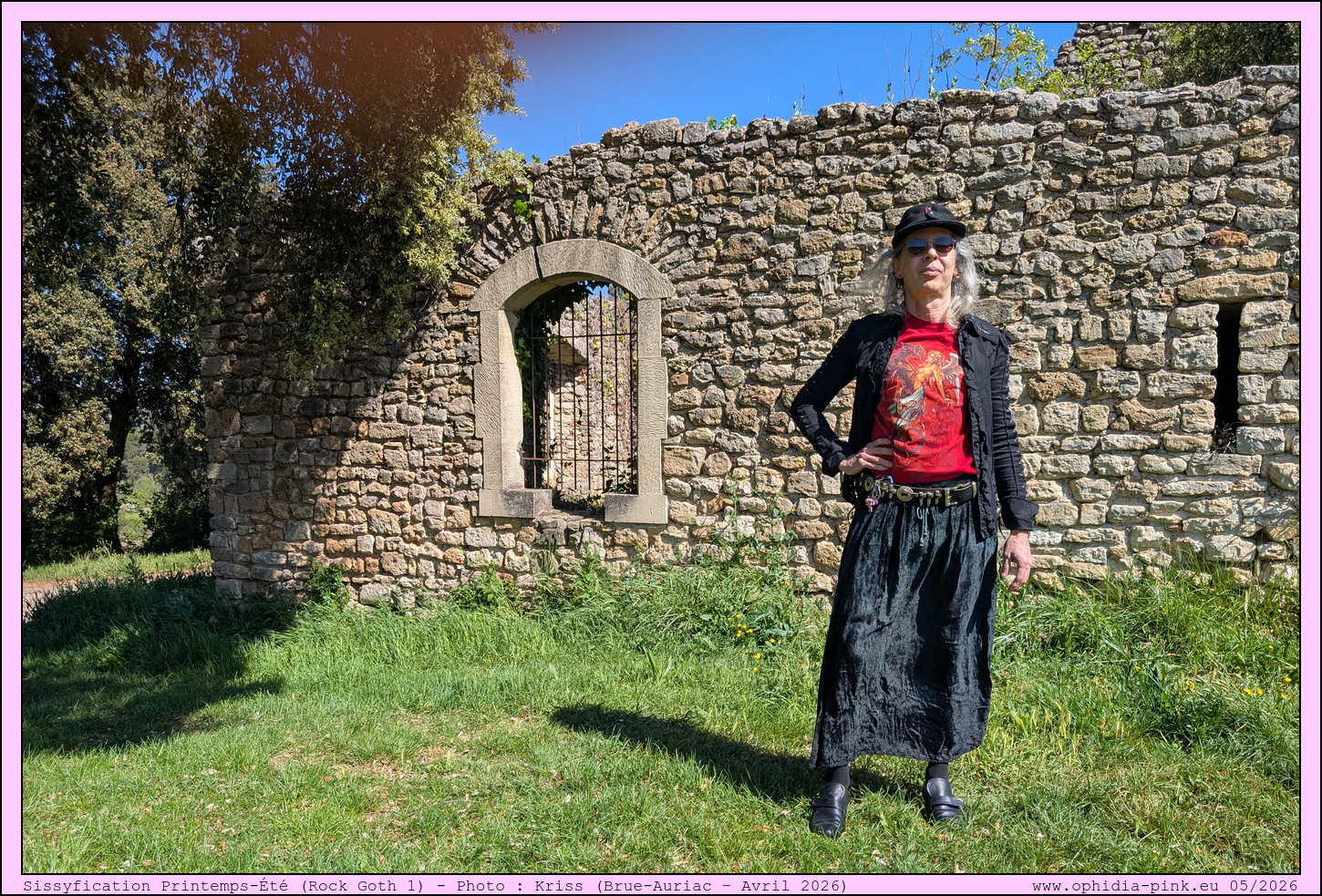
Originally, the term “Gothic” referred to an artistic period of the Middle Ages (12th–15th centuries), particularly in architecture, with monuments such as Notre-Dame de Paris. The style is characterized by verticality, filtered light, pointed arches…
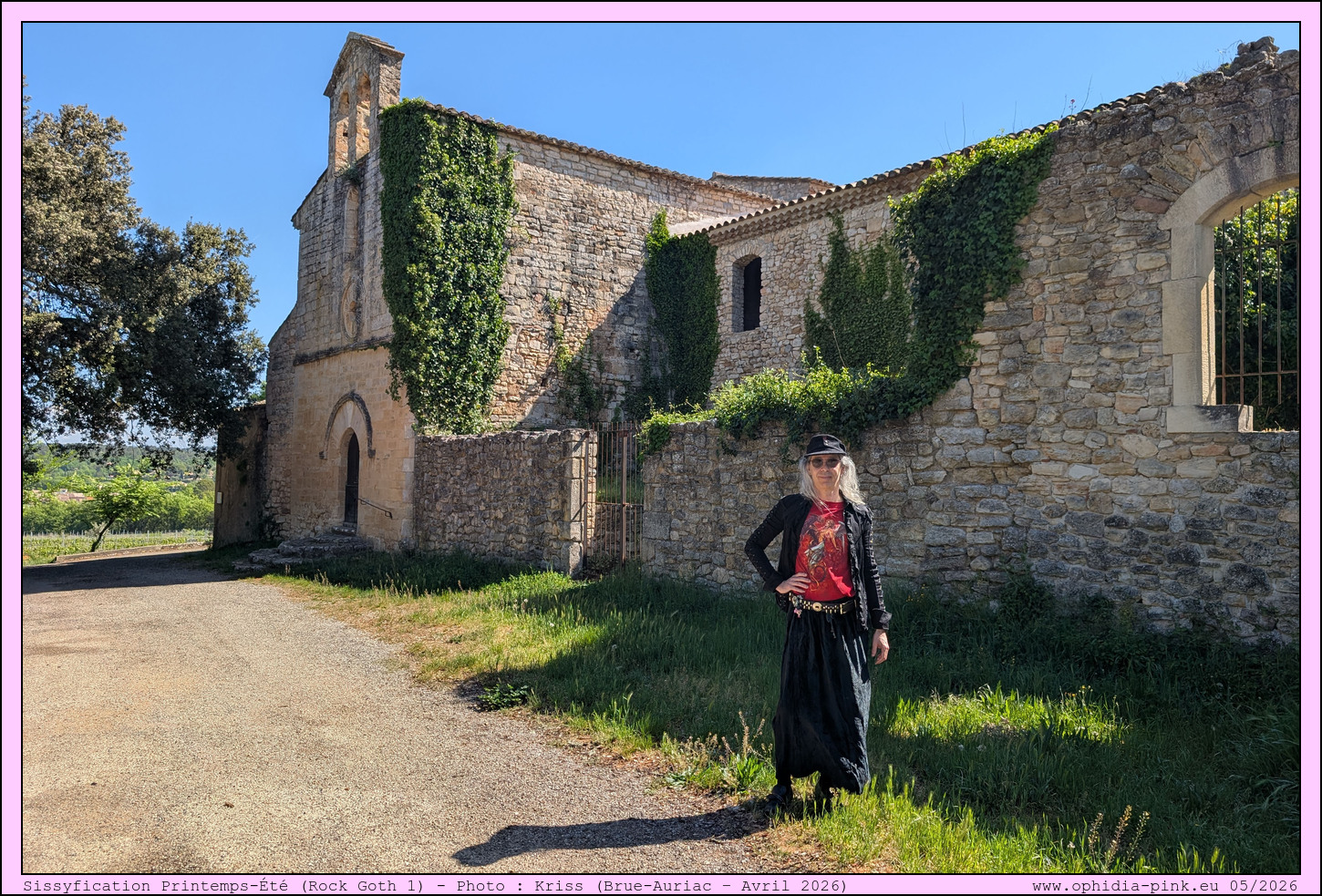
But modern gothic, the kind that relates to fashion and popular culture, appeared much later, in the late 1970s and 80s, within the post-punk movement. Groups like Bauhaus and Siouxsie and the Banshees laid the foundations for a dark, introspective, and deliberately unconventional aesthetic.
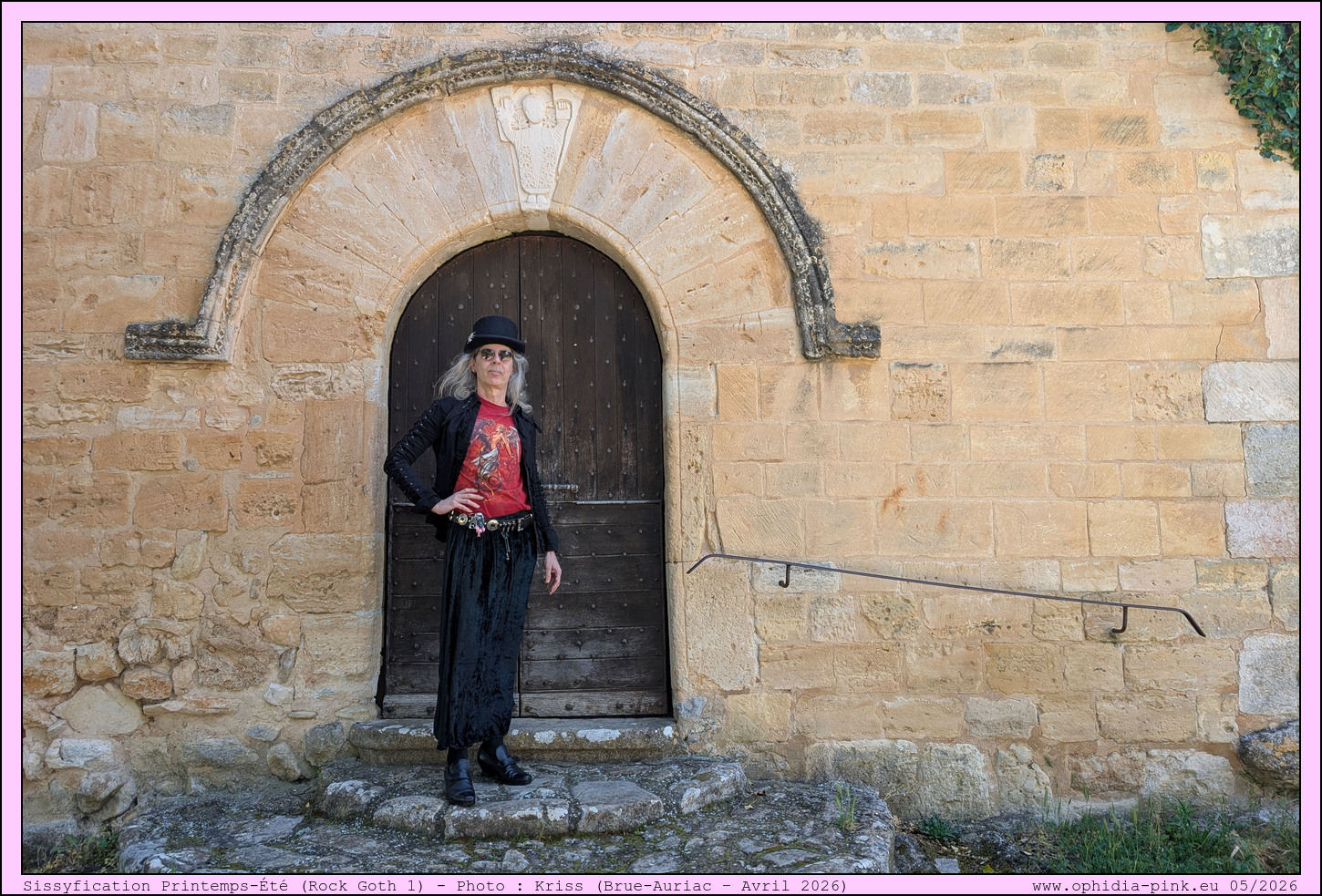
Gothic fashion, contrary to what some might imagine, isn't just about "wearing black and looking sad." It's more structured than that. Black dominates, obviously. But it's not just a color; it's a base upon which contrasts are built through materials (lace, velvet, leather, satin—anything that captures or absorbs light dramatically) and accessories (silver jewelry, often linked to the themes of death and crosses).
The silhouettes are inspired by Victorian or dark romanticism (corsets, long dresses, structured coats) and the makeup is based on a pale complexion and eyes outlined in black.
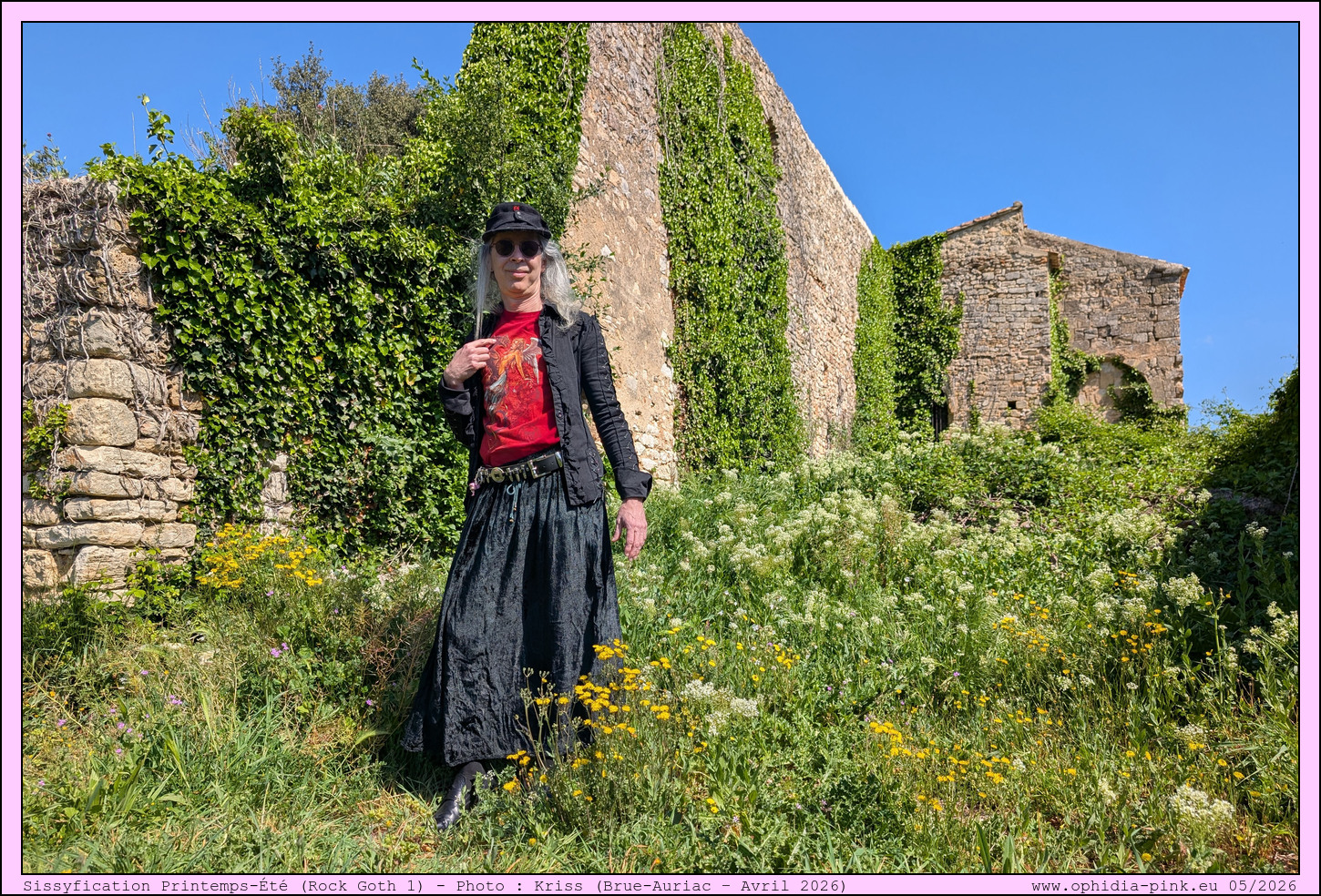
We can distinguish three main currents: Gothic Rock directly inspired by the 80s (Fishnet, Leather, Punk influence), Romantic Gothic inspired by the 18th (Rabbits) or Victorian (19th century) and finally Cyber Goth with an industrial or futuristic aesthetic (Neon color, PVC, fetish).
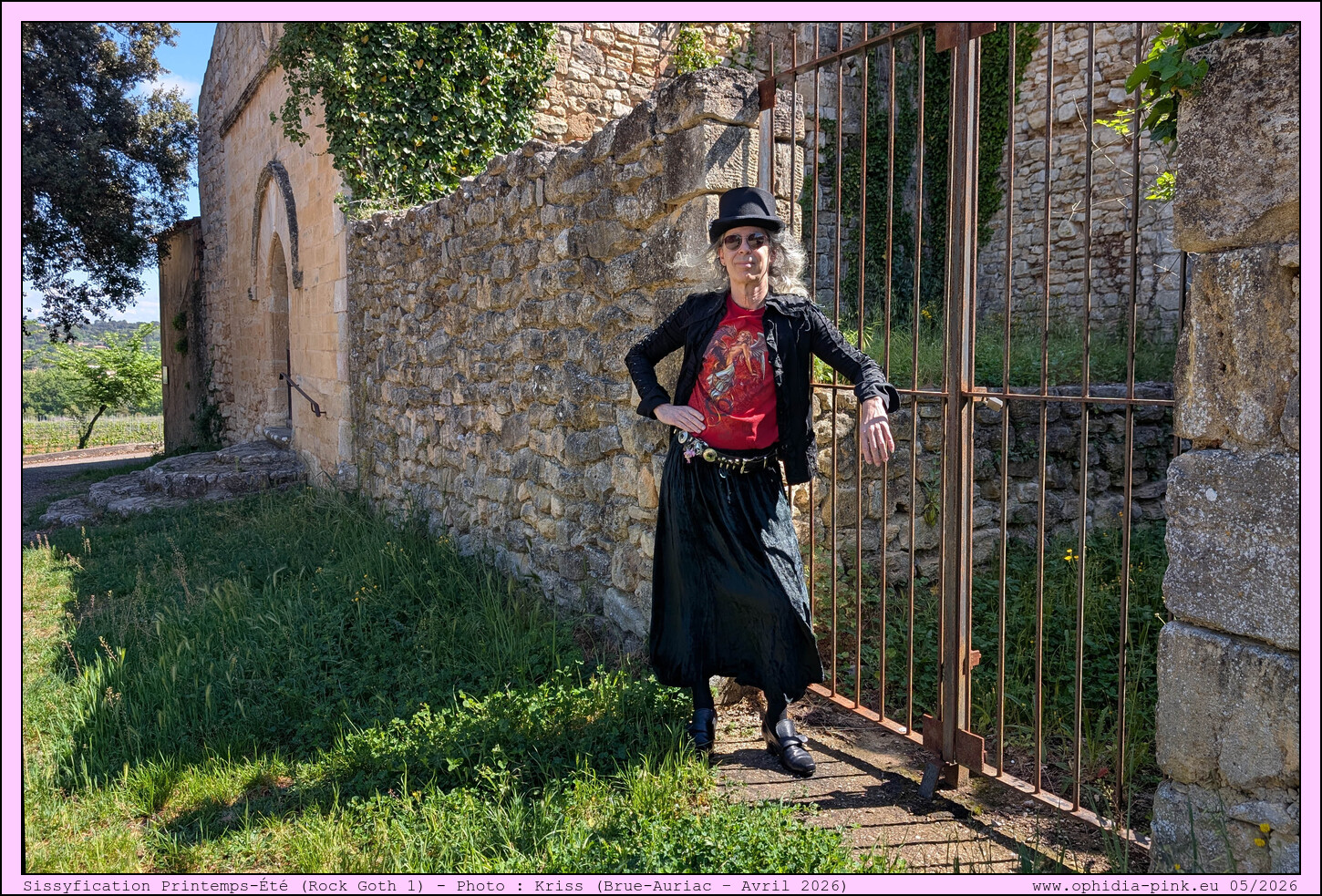
Behind the clothes lies a fairly clear logic based on a fascination with death, time, and melancholy, a rejection of classical aesthetic norms, and a definite taste for symbolism, mystery, esotericism, and sometimes dark irony. It's an aesthetic that plays with shadow, but in a conscious and often artistic way. Not just "I'm sad, so I wear black," as some persistent intellectual shortcuts would have it.
All photos are by Kriss - April 2026 - Notre Dame de Brue-Auriac (Centre Var)
