- BRITISH -
Spring / Summer

Let's start with a linguistic point: British doesn't mean English, that would be 'English'! British comes from Brittanic and therefore applies to the whole of the United Kingdom (England + Scotland + Wales + Northern Ireland).
The "British" style in fashion is that almost magical way the British have of looking elegant, eccentric, and nonchalant all at once, as if they'd thrown on whatever was lying around, except that everything fits perfectly. In concrete terms, it's based on a few well-established codes. There's a strong emphasis on tradition and quality, perfectly tailored suits, checked blazers, and Burberry trench coats. There's often an unlikely mix, like pairing a hunter's tweed with a floral shirt or Doc Martens with a tartan skirt. You can associate it with a "chic nonchalance": tousled hair, slightly messy hems, oversized sweaters. Nothing is too polished, otherwise it's no longer 'British'.
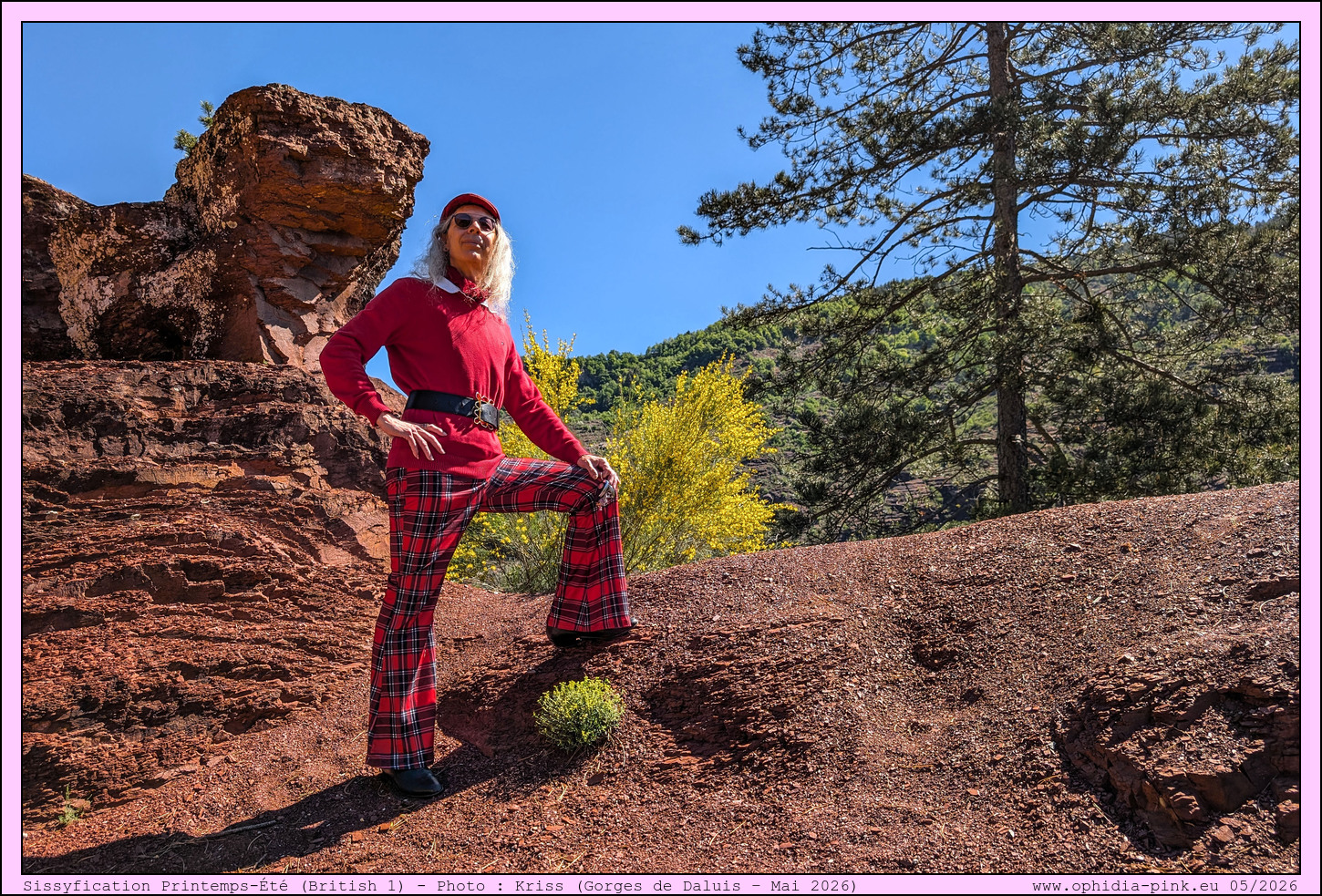
Let's turn to a quintessential element of British style: tartan. Tartan, often called "Scottish cloth," is a textile pattern made up of horizontal and vertical stripes that intersect to form colorful checks, immediately associated with the Highlands and kilts. Checkered fabrics existed in Europe even before modern Scotland was formed, but it was the Scottish clans that gave tartan its strongest cultural identity.
From the 17th and especially the 18th centuries onward, certain patterns began to be associated with families, regions, or clans. After the Jacobite defeat at the Battle of Culloden in 1746, the English authorities even banned the wearing of tartan in the Highlands in an attempt to break down Scottish clan identity. Ironically, this repression helped transform tartan into a symbol of resistance and national pride. In the 19th century, with Romanticism and the British monarchy's infatuation with Scotland, particularly under Queen Victoria, tartan made a triumphant return to fashion. Each clan then wanted "its" official pattern, sometimes reconstructed or even invented to satisfy this very Victorian passion for carefully rearranged traditions.
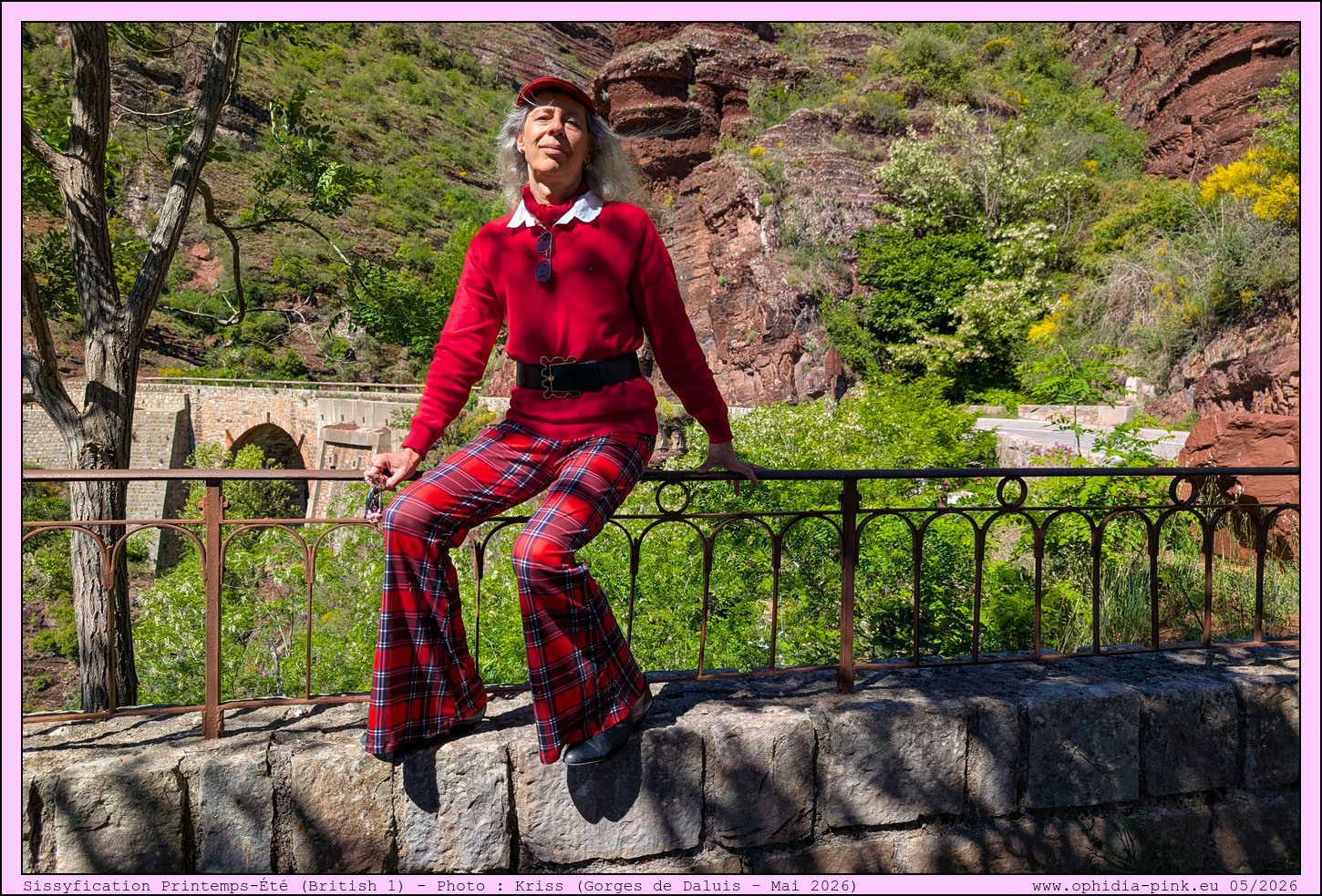
Technically, tartan is woven according to a precise pattern called a "sett," which is the sequence of colors and lines. The colors once had practical origins linked to locally available dyes, although many modern legends exaggerate their symbolic significance. Today, there are thousands of registered tartans, ranging from traditional clan patterns to creations for businesses, military regiments, universities, or events.
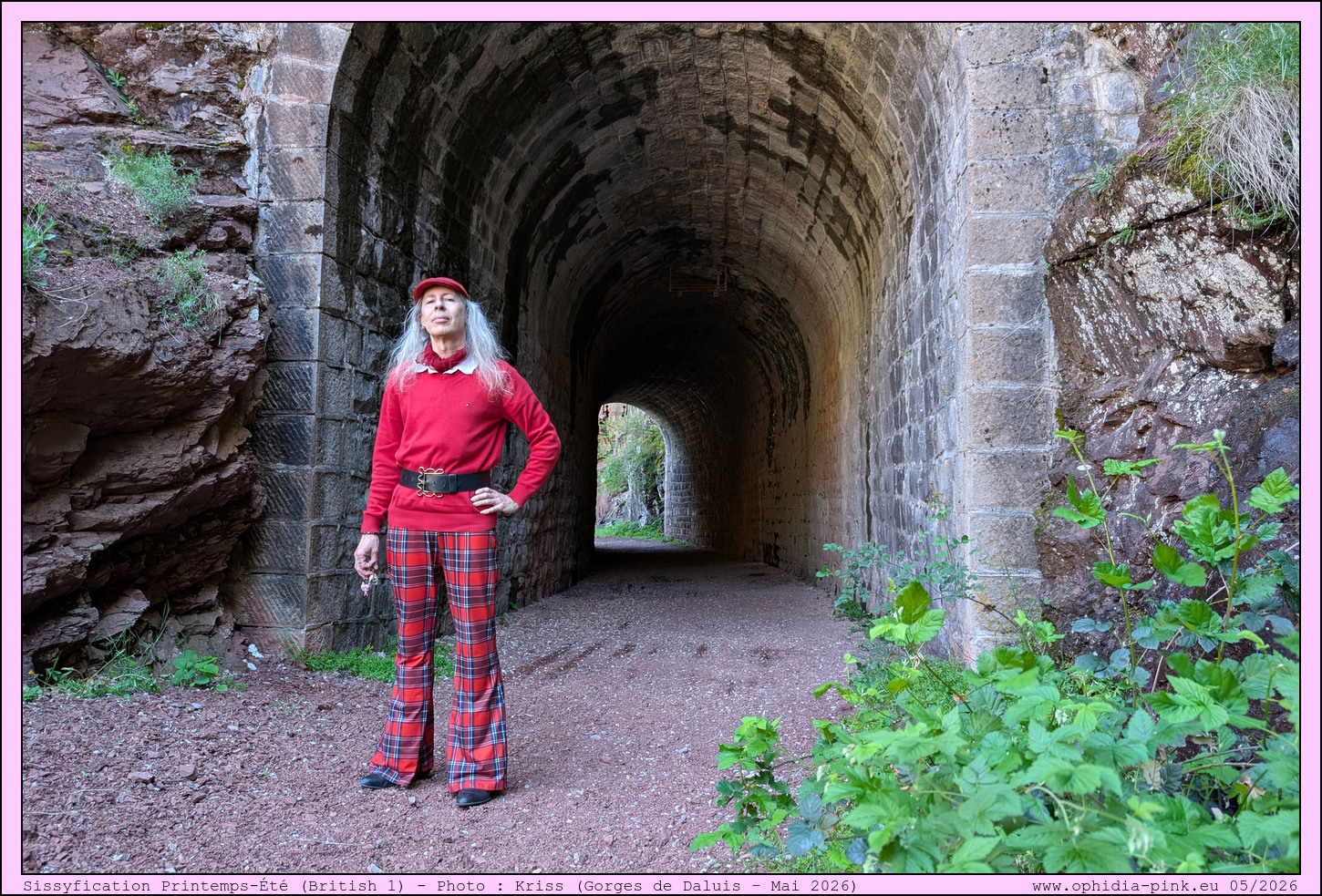
In contemporary fashion, tartan extends far beyond its Scottish roots. It can be found in 1970s punk, haute couture, school uniforms, 1990s grunge, and even today's preppy and alternative trends. Designers like Vivienne Westwood have helped transform this traditional fabric into a symbol of both rebellion and elegance. This is what makes tartan so interesting today: it can evoke heritage, provocation, luxury, or the mundane everyday look of a flannel shirt bought on a rainy Saturday. A piece of fabric capable of being both aristocratic and punk at the same time.
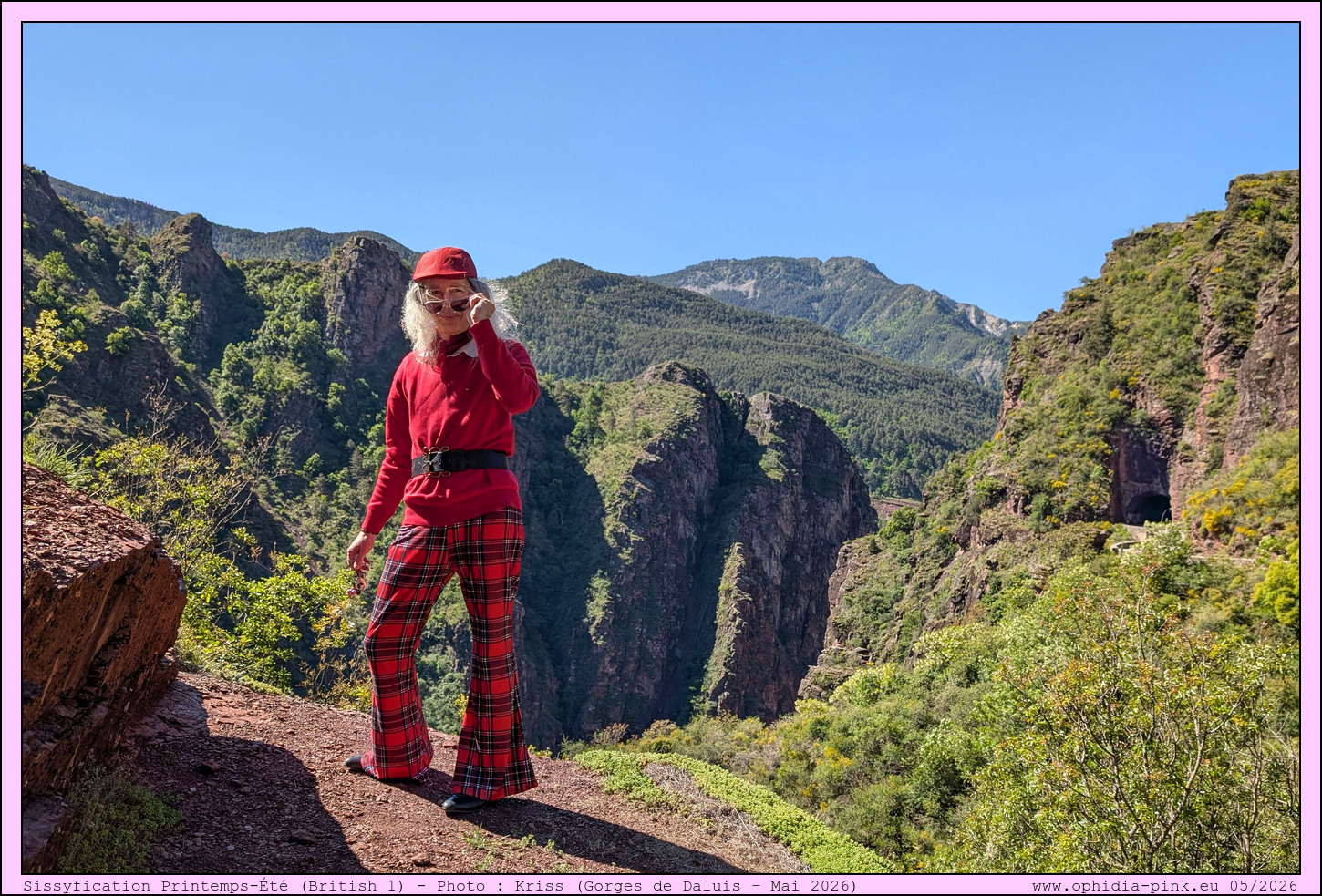
All photos are by Kriss - May 2026 - Daluis Gorge (Very South East of France)
